
Overview
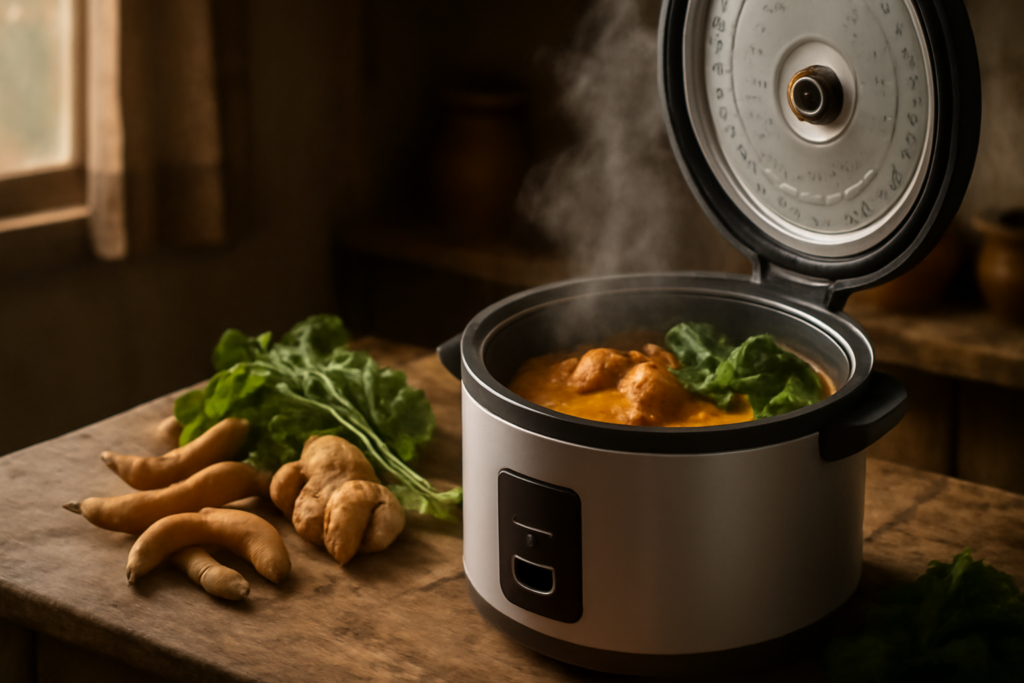
Sinigang na baboy is one of the Philippines’ most beloved comfort dishes—a tangy, vegetable-packed sour soup that brings families together around the dinner table. Traditionally, this dish requires hours of simmering on the stovetop, but using a rice cooker transforms it into an accessible weeknight meal without sacrificing authentic flavor.
This recipe harnesses the gentle, consistent heat of your rice cooker to tenderize pork while infusing it with the distinctive sour notes of tamarind. The result? Restaurant-quality sinigang in about an hour, with minimal hands-on time. Whether you’re a busy home cook or new to Filipino cuisine, this simplified method proves that authentic doesn’t have to mean complicated.
What Is Sinigang na Baboy?
Traditional Filipino Sour Soup Characteristics
Sinigang na baboy is a Filipino sour soup that represents comfort, tradition, and home cooking at its finest. The dish’s defining characteristic is its tangy, savory broth—a perfect balance of sour and umami flavors that makes it incredibly crave-worthy.
The soup gets its signature sourness from tamarind (sampalok), a tropical fruit that’s been used in Filipino cooking for generations. This natural souring agent creates a complex flavor profile that’s distinctly different from vinegar-based soups. The broth is rich with pork flavor, infused with aromatics, and loaded with vegetables that absorb all those delicious flavors.
Why Rice Cooker Method Works for This Dish
You might wonder: can a rice cooker really handle a traditional sinigang? The answer is a resounding yes. Here’s why this method works so well:
- Consistent Heat: Rice cookers maintain steady, gentle heat that’s perfect for tenderizing tougher cuts of pork without drying them out
- Hands-Off Cooking: Once you’ve added your ingredients, the rice cooker does the work while you attend to other tasks
- Flavor Development: The enclosed environment allows flavors to concentrate and meld beautifully
- Energy Efficient: Rice cookers use less energy than stovetop cooking
- Perfect for Small Kitchens: No need for multiple pots and pans
Flavor Profile and Key Ingredients Overview
Sinigang’s flavor comes from the interplay of several key components:
- Tamarind: Provides the signature sour, slightly fruity tang
- Pork: Contributes deep, savory umami notes
- Fish Sauce (Patis): Adds salty, fermented complexity
- Aromatics: Onions and tomatoes build a flavorful base
- Vegetables: Radish, eggplant, and leafy greens add texture, nutrition, and subtle sweetness
- Chilies: Long green chilies (siling pangsigang) provide gentle heat and flavor
Ingredients You’ll Need
Pork and Protein Options
- 2 lbs pork belly or pork ribs, cut into 2-3 inch pieces (pork belly is traditional and adds richness; ribs offer leaner meat)
- Alternative proteins: chicken thighs, beef chuck, or extra-firm tofu
Tamarind and Souring Agents
- 3-4 tablespoons tamarind paste (or 1 cup fresh tamarind pods, seeded)
- 6-8 cups water (adjust based on desired broth consistency)
Note: Tamarind paste is available in most Asian markets and increasingly in mainstream supermarkets. It’s worth seeking out for authentic flavor.
Vegetables and Aromatics
- 1 large onion, quartered
- 3-4 medium tomatoes, quartered (or 1 can diced tomatoes)
- 4-5 medium radishes (labanos), halved or quartered
- 2 medium eggplants, cut into chunks
- 3-4 long green chilies (siling pangsigang), left whole or halved
- 2 cups water spinach (kangkong) or spinach, roughly chopped
- 4-5 cloves garlic, minced
- 1 tablespoon ginger, minced (optional but recommended)
Seasonings and Flavor Enhancers
- 2-3 tablespoons fish sauce (patis), or to taste
- Salt and black pepper, to taste
- 1 teaspoon sugar (optional, to balance flavors)
Ingredient Substitutions and Alternatives
Protein Swaps
Chicken: Use 2 lbs boneless, skinless chicken thighs (cook for 30-40 minutes instead of 1 hour)
Beef: Substitute with beef chuck or brisket (may need slightly longer cooking time, up to 1.5 hours)
Tofu: Use 2 blocks extra-firm tofu, pressed and cubed (add during the last 15 minutes of cooking to prevent it from falling apart)
Seafood: Shrimp or fish work beautifully; add them in the last 10 minutes of cooking
Tamarind Replacements
Lemon or Lime Juice: Use 4-5 tablespoons fresh juice for a brighter, more acidic sour note (add near the end of cooking)
Vinegar: Use 3-4 tablespoons apple cider or white vinegar (though this creates a different flavor profile)
Calamansi: If you can find this Filipino citrus, use 8-10 squeezed fruits for authentic flavor
Vegetable Alternatives
- Radish: Turnips, carrots, or daikon radish
- Eggplant: Zucchini, bell peppers, or okra
- Kangkong: Spinach, bok choy, or Swiss chard
- Long Green Chilies: Jalapeños or serrano peppers (though these are spicier)
Fish Sauce Options for Dietary Restrictions
- Soy Sauce: Use 2-3 tablespoons for a vegetarian/vegan version (slightly different flavor but still delicious)
- Miso Paste: 1-2 tablespoons adds umami without fish
- Mushroom Broth: Substitute water with mushroom broth for deeper flavor in vegetarian versions
Step-by-Step Cooking Instructions
Preparation: Prep Time and Ingredient Readiness
Time: 15 minutes
-
Prepare the pork: Rinse pork belly or ribs under cold water. Pat dry with paper towels. Cut into 2-3 inch pieces, removing excess fat if desired (some fat adds flavor, so don’t remove it all).
-
Prepare vegetables: Wash all vegetables thoroughly. Cut radishes in half or quarters. Cut eggplants into 2-inch chunks. Halve long green chilies. Mince garlic and ginger. Roughly chop kangkong or spinach.
-
Prepare tamarind: If using fresh tamarind pods, remove the seeds and soak in ½ cup warm water for 5 minutes, then strain. If using tamarind paste, have it ready to dissolve in water.
-
Measure liquids: Pour water into a measuring cup. Dissolve tamarind paste in ½ cup of this water, stirring well to break up any lumps.
Sautéing Aromatics in the Rice Cooker
-
Turn on the rice cooker to the “cook” or “sauté” setting if your model has this function. If not, proceed to the next step.
-
Add a small amount of oil (about 1 tablespoon) to the rice cooker pot if available. If your rice cooker doesn’t have a sauté function, you can skip this step or sauté aromatics in a separate pan first.
-
Add minced garlic and ginger. Stir constantly for about 1 minute until fragrant. This step builds the flavor foundation.
-
Add quartered onions and tomatoes. Stir occasionally for 3-4 minutes until they begin to soften and release their juices. You’re not looking for them to fully cook—just to start breaking down.
Adding Pork and Building the Broth
-
Add the pork pieces to the rice cooker. Stir to combine with the aromatics.
-
Pour in the tamarind-infused water along with the remaining water. Stir well to distribute the tamarind throughout.
-
Add fish sauce (start with 2 tablespoons; you can adjust later). Stir thoroughly.
-
Season with salt and pepper to taste. Remember that fish sauce is salty, so taste before adding additional salt.
-
Switch the rice cooker to the “cook” setting (or regular cooking mode if it doesn’t have a sauté function). Close the lid.
Simmering and Tenderizing the Meat
-
Allow the rice cooker to cook for 45-50 minutes. The pork needs time to become tender. You’ll know it’s ready when it’s easily pierced with a fork and begins to fall apart.
-
Check the pork at the 40-minute mark by piercing a piece with a fork. If it’s still quite firm, give it another 10 minutes.
-
Do not open the lid frequently during this phase, as this releases steam and extends cooking time.
Adding Vegetables at the Right Time
-
After 45-50 minutes of cooking, carefully open the rice cooker lid (watch out for steam).
-
Add the radishes and eggplants. These vegetables need about 15 minutes to become tender.
-
Stir gently to distribute vegetables throughout the broth.
-
Close the lid and continue cooking for 10 minutes.
-
Add the long green chilies and kangkong or spinach. These delicate vegetables only need 3-5 minutes of cooking.
-
Stir gently and close the lid for the final 5 minutes.
Seasoning and Final Adjustments
- Taste the broth carefully. Adjust seasonings:
- Too sour? Add a pinch of sugar or a splash of water
- Not sour enough? Add more tamarind paste dissolved in water, or squeeze in fresh lemon/lime juice
- Needs more salt? Add fish sauce or salt gradually, tasting as you go
- Too salty? Add more water
-
Check vegetable tenderness. Radishes should be fork-tender, eggplants soft, and leafy greens wilted.
-
Make final adjustments and serve immediately while hot.
Cooking Time and Techniques
Total Time Breakdown
- Preparation Time: 15 minutes
- Sautéing Aromatics: 4-5 minutes
- Simmering Pork: 45-50 minutes
- Cooking Vegetables: 15 minutes
- Total Active Time: 20 minutes
- Total Hands-Off Time: 60 minutes
- Total Recipe Time: Approximately 1 hour 15 minutes
Sautéing Function for Flavor Development
The initial sautéing of garlic, ginger, onions, and tomatoes is crucial for building a flavorful base. This step:
- Releases aromatic compounds from garlic and ginger
- Caramelizes natural sugars in onions and tomatoes
- Creates a deeper, more complex flavor foundation
- Prevents raw vegetable taste in the final dish
If your rice cooker doesn’t have a sauté function, you can sauté these ingredients in a separate pan for 4-5 minutes, then transfer everything to the rice cooker.
Simmering for Tender Pork
The 45-50 minute simmering period is essential for:
- Breaking down connective tissue in the pork
- Infusing the meat with tamarind and other flavors
- Creating a rich, flavorful broth
- Ensuring the pork is fork-tender and delicious
The gentle, consistent heat of the rice cooker is ideal for this process. Unlike high-heat stovetop cooking, the rice cooker won’t cause the pork to become tough or stringy.
Steaming Vegetables in the Broth
Adding vegetables in stages ensures each type reaches perfect doneness:
- Firm vegetables (radish, eggplant): 15 minutes
- Delicate vegetables (leafy greens): 3-5 minutes
This staged approach prevents mushy vegetables while ensuring everything is cooked through.
Serving and Pairing Ideas
Optimal Serving Temperature and Presentation
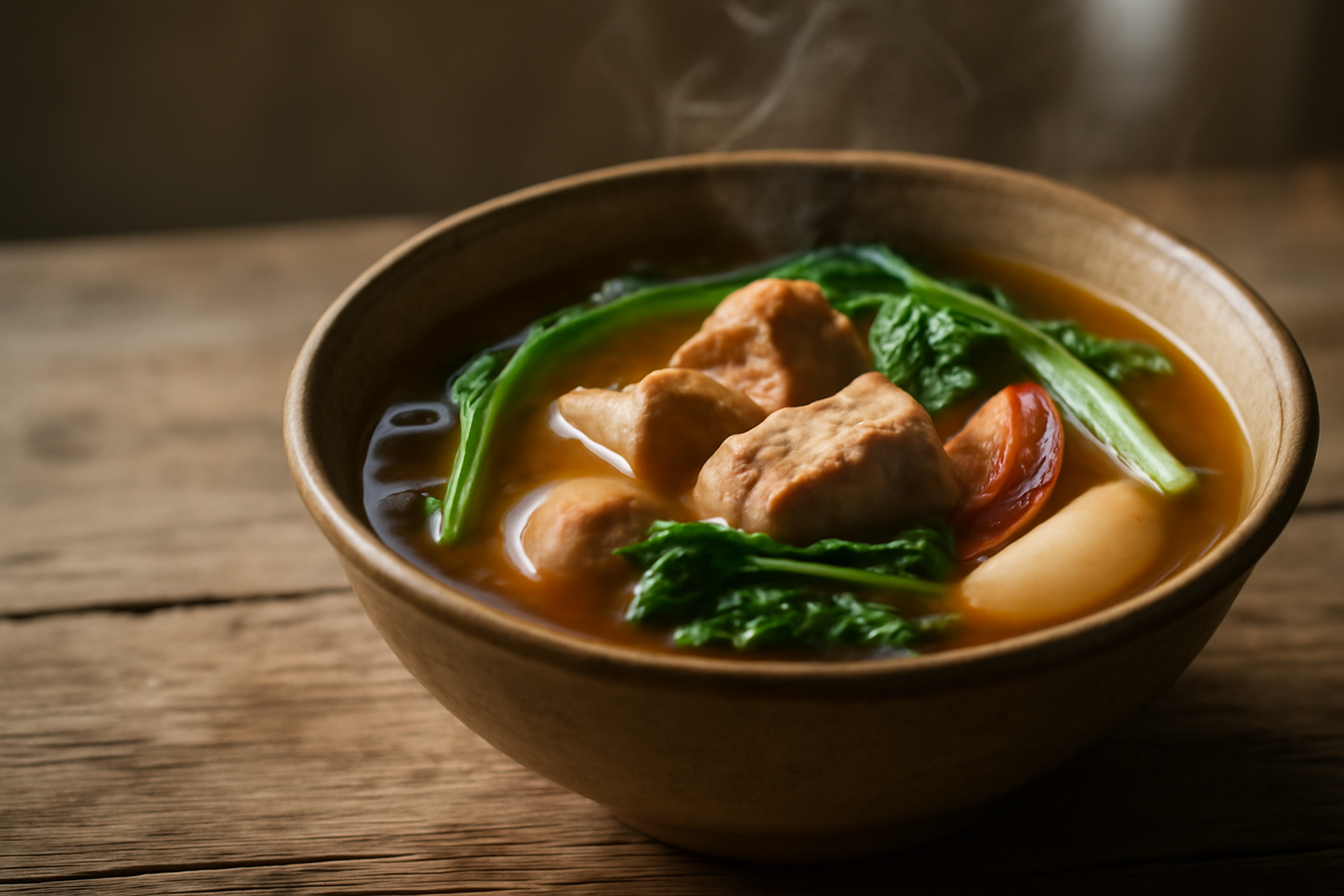
Sinigang is best served piping hot, straight from the rice cooker. The heat helps release aromatic compounds and makes the flavors more vibrant.
Presentation Tips:
- Ladle into deep bowls to showcase the beautiful broth
- Ensure each bowl has a good mix of pork, vegetables, and broth
- Serve immediately to maintain temperature
Garnish Options
Elevate your sinigang with these finishing touches:
- Fresh cilantro: Adds brightness and herbaceous notes
- Sliced green onions: Provides mild onion flavor and visual appeal
- Fried garlic chips: Adds crunch and savory depth
- Fresh lime wedges: Allows diners to adjust sourness to taste
- Thinly sliced red chilies: For heat and color
Rice Pairing Recommendations
Sinigang is traditionally served with steamed white rice, which:
- Absorbs the delicious broth
- Provides a neutral base to balance the sour, salty flavors
- Makes the meal more filling and satisfying
Rice Options:
- Jasmine rice: Fragrant and slightly sweet
- White rice: Classic, neutral choice
- Brown rice: Nuttier flavor and more fiber
- Garlic rice: Fried rice cooked with garlic for extra flavor
Condiment Accompaniments
Fish Sauce with Chili (Patis with Siling Labuyo):
Mix 3 tablespoons fish sauce with 2-3 minced Thai bird’s eye chilies. Diners can add this to taste for extra saltiness and heat.
Vinegar with Chilies:
A traditional Filipino condiment that adds acidity and spice.
Lime Wedges:
Fresh lime allows diners to adjust the sourness level.
Storage and Reheating
Refrigeration Guidelines
Storage Time: Up to 3 days in an airtight container
Storage Tips:
- Allow sinigang to cool to room temperature before refrigerating
- Store in glass or plastic containers with tight-fitting lids
- Keep the broth and solids together for best flavor retention
- Label containers with the date prepared
Freezing Instructions
Freezing Time: Up to 2 months
Freezing Tips:
- Cool completely before freezing
- Use freezer-safe containers or heavy-duty freezer bags
- Leave about ½ inch of headspace in containers (liquid expands when frozen)
- Portion into individual servings for easy reheating
- Label with date and contents
Note: Vegetables may become slightly softer after freezing, but the dish remains delicious.
Proper Reheating Methods
Stovetop Method (Recommended):
- Transfer sinigang to a pot
- Heat over medium heat, stirring occasionally
- Bring to a gentle simmer (about 5-7 minutes)
- Taste and adjust seasonings if needed
- Serve hot
Microwave Method:
- Transfer to a microwave-safe bowl
- Cover loosely with a paper towel
- Microwave on 50% power for 3-4 minutes, stirring halfway through
- Check temperature and heat further if needed
Rice Cooker Method:
- Transfer sinigang to the rice cooker
- Set to “warm” or “cook” setting
- Heat for 10-15 minutes until warmed through
- Stir before serving
Important: Always reheat sinigang until it reaches a gentle simmer. This ensures food safety and helps restore flavors.
Nutritional Benefits
Vitamins and Minerals from Vegetables
Sinigang is a nutritional powerhouse thanks to its vegetable content:
- Radishes: Rich in vitamin C, potassium, and fiber; support immune function and digestion
- Eggplant: Contains antioxidants, particularly nasunin; supports heart health
- Kangkong/Spinach: Excellent sources of iron, calcium, and vitamins A and K; support bone health and oxygen transport
- Tomatoes: Provide lycopene, a powerful antioxidant linked to heart health
Protein Content from Pork
Pork is an excellent protein source:
- Complete protein: Contains all nine essential amino acids
- B vitamins: Particularly B12, thiamine, and niacin; support energy metabolism
- Minerals: Iron, zinc, and selenium; support immune function and metabolism
- Typical serving: One bowl of sinigang provides 25-30g of protein
Antioxidants and Digestive Benefits from Tamarind
Tamarind offers unique health benefits:
- Antioxidants: Helps combat free radicals and oxidative stress
- Digestive support: Traditionally used to aid digestion and relieve constipation
- Anti-inflammatory: May help reduce inflammation in the digestive tract
- Natural acids: Aid in nutrient absorption
Sodium Management Tips
While sinigang is flavorful, you can manage sodium intake:
- Reduce fish sauce: Start with 1.5 tablespoons instead of 2-3
- Use low-sodium broth: If substituting water with broth, choose low-sodium varieties
- Add flavor without salt: Increase garlic, ginger, and tamarind for depth
- Taste before adding: Always taste before adding additional salt
- Serve with plain rice: Unseasoned rice balances the salty broth
Nutritional Profile (per serving, approximately):
- Calories: 280-320
- Protein: 28-32g
- Fat: 12-15g
- Carbohydrates: 18-22g
- Fiber: 4-5g
- Sodium: 800-1000mg (varies with fish sauce amount)
Frequently Asked Questions
Can I make this recipe vegetarian?
Absolutely! Here’s how to adapt it:
- Replace pork with 2 blocks extra-firm tofu (pressed and cubed) or 2 cups mushrooms (cremini, oyster, or shiitake work well)
- Use vegetable broth instead of water for deeper flavor
- Replace fish sauce with 2-3 tablespoons soy sauce or 1-2 tablespoons miso paste
- Reduce cooking time: Tofu only needs 30-40 minutes total; mushrooms need about 45 minutes
- Add umami: Consider adding a splash of soy sauce or a piece of kombu (seaweed) to the broth
The result is a delicious vegetarian sinigang that’s just as satisfying as the traditional version.
What if I don’t have tamarind?
You have several options:
- Lemon or lime juice: Use 4-5 tablespoons fresh juice, added near the end of cooking. This creates a brighter, more acidic sour note.
- Vinegar: Use 3-4 tablespoons apple cider or white vinegar, though this creates a different flavor profile.
- Calamansi: If available, use 8-10 squeezed fruits for authentic Filipino flavor.
- Combination: Mix lemon juice with a small amount of vinegar for complexity.
Note: Tamarind has a unique fruity sourness that’s hard to replicate exactly, but these alternatives will still create a delicious sour soup.
How do I know when the pork is tender?
The pork is ready when:
- Fork test: A fork easily pierces the meat without resistance
- Pull test: The meat begins to shred or fall apart when pulled with a fork
- Visual check: The meat appears lighter in color and has lost its raw appearance
- Cooking time: Most pork reaches this point after 45-50 minutes in the rice cooker
If the pork is still firm after 50 minutes, give it another 10-15 minutes. Thicker pieces may need slightly longer.
Can I add other vegetables?
Yes! Sinigang is very flexible. Good additions include:
- Green beans: Add with radishes (15 minutes cooking time)
- Carrots: Add with radishes (15 minutes cooking time)
- Bell peppers: Add with leafy greens (5 minutes cooking time)
- Okra: Add with leafy greens (5 minutes cooking time)
- Cabbage: Add with leafy greens (5 minutes cooking time)
- Pumpkin or squash: Add with radishes (15 minutes cooking time)
Tip: Add vegetables based on how long they take to cook. Harder vegetables go in earlier; delicate ones go in near the end.
Is it necessary to sauté the onions and tomatoes first?
Not absolutely necessary, but highly recommended. Here’s why:
Benefits of sautéing:
- Develops deeper, more complex flavors
- Caramelizes natural sugars
- Releases aromatic compounds
- Creates a richer broth
If you skip sautéing:
- The soup will still be delicious
- Flavors will be slightly less developed
- Cooking time remains the same
- Simply add all ingredients at once to the rice cooker
Compromise: If you’re short on time, sauté aromatics for just 2-3 minutes instead of the full 4-5 minutes.
Final Tips for Success
-
Don’t skip the tamarind: It’s what makes sinigang distinctive. Seek it out in Asian markets or online.
-
Use quality pork: Pork belly or ribs with some fat create the most flavorful broth.
-
Taste as you go: Adjust seasonings gradually. You can always add more fish sauce or tamarind, but you can’t remove it.
-
Don’t overcrowd the rice cooker: If your rice cooker is small, you may need to reduce the recipe by 25%.
-
Embrace the leftovers: Sinigang tastes even better the next day as flavors continue to develop.
-
Make it your own: Filipino cooking is about family and adaptation. Feel free to adjust vegetables, spice levels, and sourness to your preference.
Ready to bring authentic Filipino comfort to your table? This rice cooker sinigang na baboy proves that traditional doesn’t have to mean complicated. In just over an hour, you’ll have a restaurant-quality dish that’ll have your family asking for seconds.