
What Is a Nonrestaurant?
Defining the Concept: Beyond Traditional Dining
The term “nonrestaurant” might sound contradictory at first, but it represents a fundamental reimagining of how we think about culinary experiences. Unlike traditional restaurants—which operate on walk-in accessibility, standardized menus, and transactional service models—a nonrestaurant is a private, destination-driven venue that eschews conventional commercial formats entirely.
A nonrestaurant doesn’t advertise on Google Maps or accept casual diners. There’s no reservation system, no “table for two available at 7 PM.” Instead, access is tightly curated, experiences are bespoke, and the entire operation centers on creating intimate, multi-sensory moments rather than maximizing covers per night.
Think of it as the culinary equivalent of an exclusive private club—except the membership isn’t based on fees or social standing, but rather on an invitation to participate in something intentionally rare and uncategorizable.
How Balé Differs From Standard Restaurants
Balé, located in Pampanga, embodies this philosophy completely. While a traditional restaurant operates within defined parameters—fixed hours, standardized pricing, commercial licensing—Balé operates as a private sanctuary that happens to serve food.
Here’s what sets it apart:
- No Walk-In Access: Balé is strictly by-reservation or private booking only.
- Customized Experiences: Rather than ordering from a menu, guests collaborate with the team to design their own culinary journey.
- Intimate Capacity: The venue maintains deliberately small guest counts to preserve privacy and personalized service.
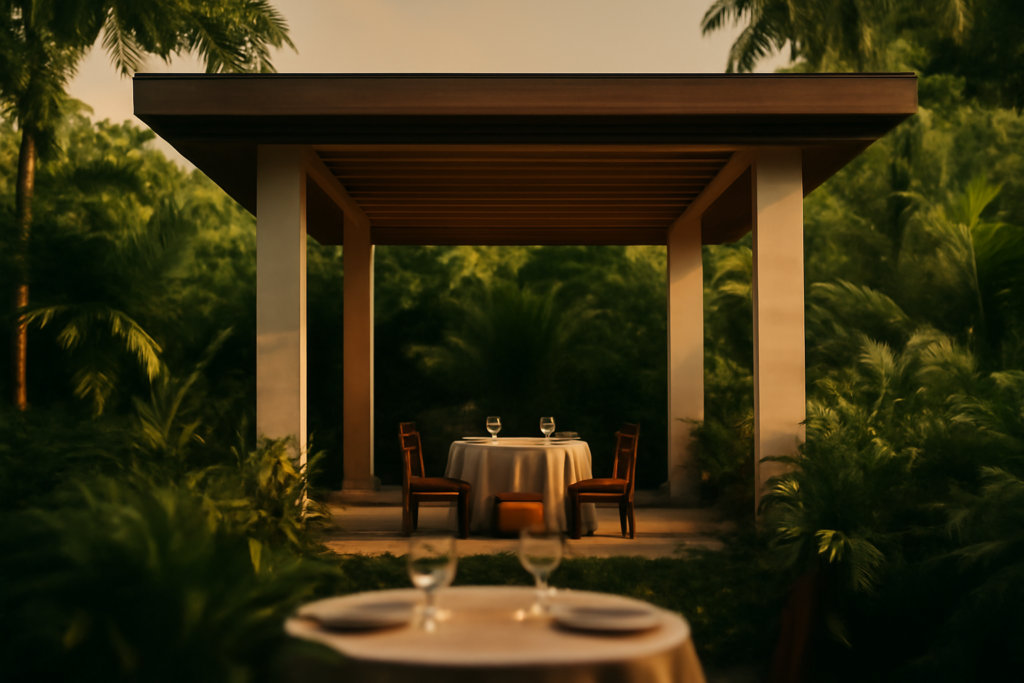
- Architectural Integration: The space itself—its gardens, design, and atmosphere—is as much a part of the experience as the food.
- Flexible Scheduling: Balé operates on the guest’s timeline, not a fixed restaurant schedule.
The Philosophy Behind the Nonrestaurant Model
The nonrestaurant movement reflects a broader cultural shift. Diners—particularly affluent, discerning ones—are increasingly fatigued by crowded commercial dining rooms, standardized menus, and transactional hospitality. They’re seeking authenticity, privacy, and meaning.
A nonrestaurant delivers all three. It prioritizes the quality of the experience over the quantity of guests served. It treats dining not as a commodity, but as a curated ritual.
Balé’s Story: From Concept to Pampanga Icon
The Vision of William Panlilio
Balé was conceived by William Panlilio, a lawyer with a passion for hospitality and design. Rather than launching a conventional restaurant, Panlilio envisioned something entirely different: a private estate where food, architecture, landscape, and human connection converge.
Panlilio’s background in law gave him the strategic thinking to navigate the complexities of operating outside traditional hospitality categories. His vision wasn’t to build a business that fit existing molds—it was to create something so intentionally unique that it would define its own category.
Why Pampanga Was the Perfect Location
Pampanga, often called the Culinary Capital of the Philippines, was the obvious choice for Balé’s location. The region boasts:
- A centuries-old gastronomic heritage rooted in Spanish colonial influence and indigenous Kapampangan traditions
- A thriving food tourism ecosystem that attracts culinary enthusiasts from across the country
- Expansive, affordable land suitable for building sprawling, scenic estates
- A reputation for generous hospitality and authentic food culture
- Proximity to Metro Manila (1-2 hours) while maintaining a peaceful, rural atmosphere
By establishing Balé in Pampanga rather than the congested Metro Manila market, Panlilio positioned the venue as a destination experience—not just another dining option, but a pilgrimage for serious food lovers.
Building an Intentionally Uncategorizable Space
One of Balé’s most distinctive features is its refusal to fit into traditional industry categories. It’s not a restaurant. It’s not a resort. It’s not an events venue. It’s all of these and none of these simultaneously.
This intentional ambiguity is strategic. By avoiding conventional labels, Balé maintains complete creative freedom in how it operates, prices, and serves guests. There are no regulatory expectations to meet, no industry standards to conform to—only the standard of excellence that Panlilio and his team set for themselves.
What Makes Balé So Exclusive
Reservation-Only Access and Privacy Controls
Balé operates on an invitation-and-reservation-only basis. There is no phone number to call for a walk-in table. There is no website with an online booking system. Access is controlled through word-of-mouth, personal referrals, and direct outreach to select clientele.
This gatekeeping isn’t pretentious—it’s protective. By limiting access, Balé ensures that:
- Every guest is genuinely interested in the experience (not just looking for a trendy Instagram spot)
- Privacy is guaranteed for high-profile visitors
- The team can dedicate full attention to each booking
- The intimate atmosphere remains undiluted
Intimate Capacity and Curated Guest Lists
Balé maintains deliberately small guest counts. Rather than hosting 100-person events, the venue might accommodate 8-12 guests for a private tasting menu, or 20-30 for a milestone celebration.
This intimate scale allows for:
- Personalized Service: Staff can remember names, preferences, and dietary needs without effort.
- Meaningful Conversation: Guests aren’t competing for attention or navigating crowded dining rooms.
- Flexible Pacing: Meals can unfold at a leisurely pace, with courses timed to conversation and mood rather than kitchen efficiency.
- Curated Guest Lists: Hosts can ensure compatibility among attendees, creating genuine community rather than random seating arrangements.
Bespoke Hospitality vs. Transactional Service
The difference between Balé’s hospitality model and traditional restaurants is profound. In a standard restaurant, service is transactional: you order, you’re served, you pay, you leave. The interaction is cordial but ultimately impersonal.
At Balé, hospitality is relational. The team isn’t serving you; they’re hosting you. They’re invested in your experience, your preferences, and your satisfaction in ways that go far beyond standard restaurant protocols.
This might mean:
- Adjusting a menu course based on a guest’s mood or conversation
- Extending a meal by hours because the gathering has become meaningful
- Remembering that a guest prefers their wine at a specific temperature
- Creating surprise elements tailored to the occasion
The Balé Experience: What Guests Actually Do
Private Tasting Menus and Customized Dining
The core Balé experience centers on bespoke tasting menus. Rather than selecting from a fixed menu, guests collaborate with Balé’s culinary team to design a personalized journey.
This might involve:
- Pre-Visit Consultations: Understanding dietary preferences, allergies, flavor profiles, and the occasion’s significance
- Seasonal Sourcing: Leveraging Pampanga’s agricultural bounty and local suppliers
- Narrative Menus: Crafting a progression of dishes that tell a story—perhaps celebrating Kapampangan heritage, or exploring a specific ingredient across multiple preparations
- Wine or Beverage Pairings: Curating drinks that complement each course and enhance the overall experience
A typical tasting menu might span 8-12 courses, unfolding over 3-4 hours, with each dish representing a different technique, flavor profile, or cultural reference.
Intimate Celebrations and Micro-Events
Balé has become the venue of choice for high-impact, small-scale celebrations:
- Intimate Weddings: Couples seeking alternatives to massive ballroom affairs book Balé for 20-40 guest ceremonies followed by curated dinners
- Anniversary Dinners: Milestone celebrations (25th, 50th anniversaries) become deeply personal experiences
- Birthday Gatherings: Rather than generic party venues, Balé creates bespoke celebrations centered around food and meaningful connection
- Corporate Retreats: High-level executives book Balé for intimate team-building experiences that blend dining, conversation, and reflection
Day Sanctuary Visits and Slow-Living Retreats
Beyond evening dining, Balé offers daytime sanctuary experiences. Guests might book the space for:
- Leisurely Lunch Retreats: Multi-hour midday gatherings featuring light courses, wine, and conversation in garden settings
- Wellness-Focused Days: Combining mindful eating, meditation, and nature immersion
- Creative Workshops: Small groups gathering for cooking classes, food writing sessions, or culinary storytelling
- Social Sabbaticals: Friends or family members booking Balé as a retreat destination, spending entire days in the space
These daytime experiences emphasize slow living—the antithesis of rushed, transactional dining.
Architectural and Landscape Design as Part of the Experience
At Balé, the physical environment is inseparable from the culinary experience. The venue features:
- Lush Gardens: Thoughtfully landscaped outdoor spaces that shift with seasons and light
- Intimate Dining Pavilions: Multiple spaces designed for different group sizes and moods
- Architectural Details: Design elements that reflect Kapampangan heritage while maintaining contemporary sophistication
- Natural Light and Views: Spaces that evolve throughout the day as sunlight changes
Guests don’t simply eat at Balé—they inhabit it. The architecture becomes part of the memory, the sensory experience, and the overall narrative of their visit.
Who Books Balé and Why
Gastronomic Tourists Seeking Hidden Gems
Food enthusiasts and culinary tourists represent a significant portion of Balé’s clientele. These are individuals who:
- Travel specifically to experience unique food destinations
- Follow food writers, chefs, and culinary influencers
- Seek “off-the-beaten-path” experiences that can’t be found in guidebooks
- Value authenticity and local heritage over commercial polish
For this audience, discovering Balé feels like finding a secret. The fact that it’s not widely advertised, not easily accessible, and not designed for casual diners makes it infinitely more appealing.
High-Net-Worth Individuals and VIPs
Affluent clients and public figures are drawn to Balé for its privacy and discretion. These guests might include:
- Business executives seeking confidential meeting spaces
- Celebrities and public figures wanting to dine without paparazzi or crowds
- International visitors seeking exclusive Philippine experiences
- Diplomats and dignitaries requiring secure, private venues
Balé’s reservation-only model and small capacity ensure that high-profile guests can enjoy meals without concern for privacy breaches or unwanted attention.
Design Enthusiasts and Lifestyle Seekers
Aesthetically-minded individuals are captivated by Balé’s architectural and landscape design. These guests:
- Appreciate thoughtful spatial design and environmental integration
- Seek experiences that align with their lifestyle values (wellness, sustainability, mindfulness)
- View dining as part of a broader lifestyle philosophy
- Are willing to invest in experiences that reflect their aesthetic sensibilities
For this audience, Balé represents a lifestyle statement—a choice that communicates values around quality, authenticity, and intentionality.
Couples and Families Planning Milestone Celebrations
Life event organizers—couples planning weddings, families celebrating anniversaries, groups marking significant milestones—choose Balé because it offers:
- A non-generic backdrop that feels personal and memorable
- Flexibility to customize every detail
- Intimate scale that prioritizes meaningful connection over spectacle
- A venue that becomes part of the story they’ll tell about the event for years to come
Pricing and Value Proposition
How Balé Structures Its Pricing Model
Balé doesn’t operate on traditional à la carte pricing. Instead, it uses a package-based, per-event model where pricing reflects:
- Venue Exclusivity: The cost of securing the entire space for your group
- Customized Menu Design: Chef consultation and bespoke menu creation
- Private Staffing: Dedicated service team for your event
- Duration: Whether your experience spans 3 hours or an entire day
- Group Size: Intimate dinners for 8 versus celebrations for 40
Pricing typically ranges from mid-to-premium levels, reflecting the exclusivity and customization involved. While specific rates aren’t publicly advertised (they’re discussed during consultation), guests should expect to invest significantly more than a standard fine-dining restaurant experience.
What’s Included in Package-Based Rates
A typical Balé package might include:
- Venue Rental: Exclusive use of the space for your designated time
- Customized Menu: Multi-course tasting menu designed specifically for your group
- Beverage Program: Wine, cocktail, or non-alcoholic pairings
- Service Staff: Dedicated servers, sommelier consultation, and hospitality team
- Décor and Ambiance: Thoughtful table settings, floral arrangements, and atmospheric touches
- Photography Coordination: Allowance for professional photographers or videographers
Why Guests Willingly Pay Premium Prices
Balé’s pricing is premium, but guests consistently book because they understand the value proposition:
- Exclusivity: You’re not sharing the space with strangers or competing for attention
- Customization: Every element is tailored to your preferences and occasion
- Authenticity: The experience feels genuine, not mass-produced
- Memorability: The investment creates a memory that lasts far longer than the meal itself
- Privacy and Security: High-profile guests pay for guaranteed discretion
- Architectural and Culinary Excellence: You’re investing in world-class design and food
For affluent diners, the premium isn’t a barrier—it’s a feature. It signals that the experience is genuinely exclusive and not available to everyone.
Comparing Value: Exclusivity vs. Traditional Dining
| Aspect | Traditional Fine Dining | Balé (Nonrestaurant) |
|---|---|---|
| Access | Walk-in or standard reservation | Invitation/referral only |
| Menu | Fixed, chef-designed | Customized per guest |
| Capacity | 80-200+ covers per night | 8-40 guests per event |
| Service Model | Transactional | Relational/hospitality-focused |
| Atmosphere | Shared dining room | Private, curated environment |
| Pricing | Per-person à la carte | Per-event package |
| Experience Duration | 2-3 hours | 3-8+ hours |
| Memorability Factor | High | Exceptionally high |
The Social Media Effect: IYKYK Culture
Organic Word-of-Mouth and Insider Status
Balé thrives on “If You Know, You Know” (IYKYK) culture—a social dynamic where exclusivity and insider knowledge drive desirability.
Because Balé doesn’t advertise traditionally, discovery happens through:
- Personal Referrals: Friends recommending Balé to friends
- Culinary Networks: Food writers, chefs, and influencers sharing experiences within their circles
- Whisper Marketing: The mystique of a venue that’s intentionally hard to find
- Earned Credibility: Recommendations carry more weight than paid advertising
This organic approach creates a halo effect: the fact that Balé is difficult to access makes it more desirable. Guests who discover it feel like they’ve uncovered a secret, which deepens their emotional investment in the experience.
Instagram and TikTok as Discovery Channels
Despite Balé’s low-key approach, social media plays a crucial role in its discovery and desirability:
- Aesthetic Posts: Guests share visually stunning images of Balé’s gardens, plated dishes, and intimate settings
- Hashtag Communities: Posts tagged with Balé or Pampanga culinary hashtags reach food enthusiasts
- Influencer Coverage: Food writers and lifestyle influencers feature Balé in their content, reaching broader audiences
- Aspirational Storytelling: Posts frame Balé not just as a restaurant, but as a lifestyle experience
The irony is that Balé’s exclusivity makes it more shareable on social media. Guests want to document and share their experience—not to brag, but to commemorate something genuinely special.
How Aesthetic Visuals Drive Aspirational Appeal
Balé’s visual identity is a major driver of its appeal:
- Lush Landscaping: Garden imagery evokes tranquility, luxury, and escape
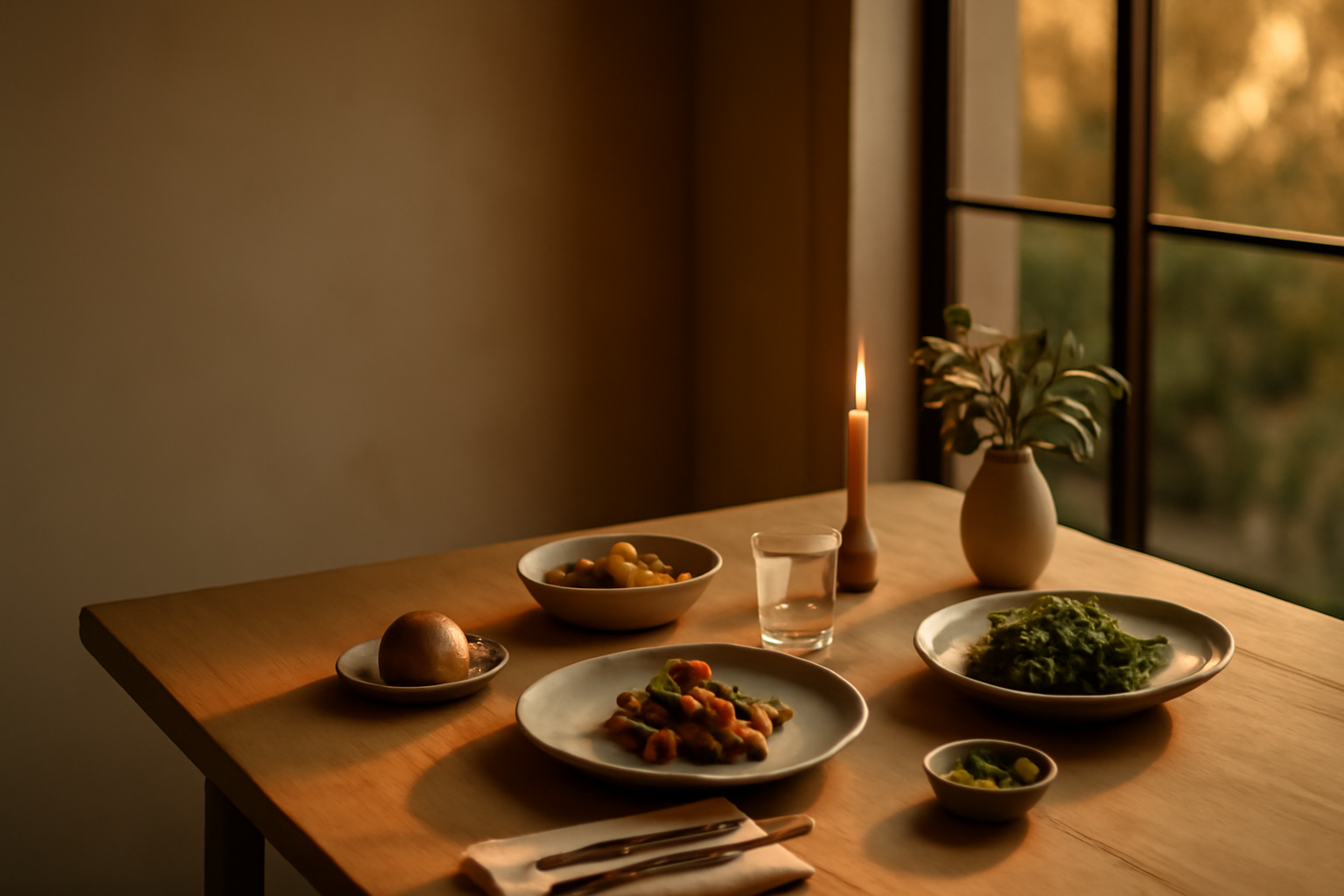
- Plated Artistry: Beautifully composed dishes photograph exceptionally well
- Architectural Details: Thoughtful design elements create Instagram-worthy moments throughout the space
- Golden Hour Magic: The venue’s outdoor spaces are particularly photogenic during sunset
These visuals create an aspirational narrative: “This is the kind of experience I want to have. This is the kind of person I want to be.”
The Power of Scarcity in Digital Marketing
Paradoxically, Balé’s scarcity enhances its digital presence:
- Limited Availability: Posts about Balé feel more valuable because bookings are limited
- Exclusivity Messaging: Content emphasizes that this experience isn’t available to everyone
- FOMO Factor: Followers who see Balé content experience mild FOMO (fear of missing out), which drives engagement and sharing
- Earned Media: Because Balé doesn’t pay for advertising, coverage feels more authentic and credible
This creates a virtuous cycle: scarcity drives desirability, desirability drives organic social sharing, social sharing increases awareness among target audiences, and awareness drives booking inquiries.
Pampanga’s Role in the Nonrestaurant Movement
Why Pampanga Is the Culinary Capital
Pampanga’s status as the Culinary Capital of the Philippines isn’t accidental. The region boasts:
- Historical Depth: Centuries of culinary tradition blending Spanish colonial, Chinese, and indigenous Kapampangan influences
- Agricultural Abundance: Fertile lands producing exceptional vegetables, fruits, and proteins
- Culinary Innovation: A thriving community of chefs, food entrepreneurs, and culinary educators
- Authentic Heritage: Genuine food culture rooted in family traditions and community gathering
- Gastronomic Tourism: Established reputation attracting food enthusiasts from across the country
This foundation makes Pampanga the ideal location for high-end culinary concepts like Balé.
How Destination Dining Differs From Metro Manila
The nonrestaurant model thrives in Pampanga in ways it couldn’t in Metro Manila:
| Factor | Metro Manila | Pampanga |
|---|---|---|
| Space | Limited, expensive land | Expansive, affordable estates |
| Atmosphere | Urban congestion, noise | Rural tranquility, natural beauty |
| Clientele | Transient, convenience-focused | Destination-oriented, committed |
| Culinary Identity | Diverse, international | Rooted, authentic, heritage-focused |
| Escape Factor | Minimal (already urban) | Significant (retreat from city) |
| Pricing Power | Constrained by competition | Enhanced by destination premium |
Pampanga’s distance from Metro Manila (1-2 hours) actually enhances Balé’s appeal. The journey itself becomes part of the experience—a deliberate escape from urban life.
Balé’s Position Within Pampanga’s Food Scene
Balé occupies a unique position within Pampanga’s broader culinary ecosystem:
- Apex of the Pyramid: While Pampanga has excellent traditional restaurants and casual eateries, Balé represents the pinnacle—the most exclusive, most curated experience
- Complementary, Not Competitive: Rather than competing with established Pampanga restaurants, Balé serves a different market segment (ultra-premium, experiential)
- Destination Anchor: Balé draws gastronomic tourists to Pampanga, who then explore other culinary offerings in the region
- Trendsetter: Balé’s success has inspired other entrepreneurs to develop similar high-end, experiential concepts in Pampanga
The Appeal of Scenic, Expansive Outdoor Sanctuaries
One of Balé’s defining features is its expansive outdoor environment. This appeals to guests for multiple reasons:
- Nature Connection: Dining surrounded by gardens and natural beauty creates a sense of wellness and escape
- Photography Opportunities: Scenic backdrops make for memorable, shareable moments
- Flexible Spaces: Multiple outdoor areas allow for different moods and group configurations
- Climate Advantage: Pampanga’s tropical climate supports year-round outdoor dining
- Psychological Impact: Research shows that natural environments reduce stress and enhance well-being
For guests seeking more than just food—seeking a holistic experience that nourishes body, mind, and spirit—Balé’s outdoor sanctuary model is exceptionally appealing.
The Future of Nonrestaurants in the Philippines
Expansion Beyond Pampanga
The success of Balé is likely to inspire similar concepts in other regions:
- Tagaytay: The cool-climate destination could support exclusive dining estates with mountain views
- Batangas: Coastal and agricultural areas offer opportunities for farm-to-table nonrestaurants
- Ilocos Region: Rich culinary heritage and scenic landscapes could support destination dining concepts
- Visayas and Mindanao: As food tourism expands, regional nonrestaurants will emerge
However, Pampanga will likely remain the epicenter of this movement, given its established culinary reputation and proximity to Metro Manila’s affluent market.
Hyper-Personalization and Immersive Storytelling
Future nonrestaurants will likely emphasize:
- Narrative Experiences: Menus that tell stories—about ingredients, techniques, cultural heritage, or personal significance
- Sensory Integration: Experiences that engage all senses (taste, smell, sight, sound, touch) rather than focusing solely on food
- Personalization Technology: Using data and AI to anticipate preferences while maintaining human warmth
- Collaborative Dining: Guests participating in food preparation, wine selection, or menu design
Farm-to-Table Integration in Private Dining
The nonrestaurant model is ideally suited for farm-to-table concepts:
- On-Site Agriculture: Some nonrestaurants may develop their own gardens or partner with specific farms
- Ingredient Storytelling: Guests learn about the origins of each ingredient, creating deeper connection to the food
- Seasonal Menus: Menus that shift dramatically based on what’s in season, emphasizing freshness and locality
- Sustainability Messaging: Premium pricing allows for sustainable, ethical sourcing practices
Long-Term Demand for Private Luxury Experiences
Several macro trends suggest sustained demand for nonrestaurants:
- Privacy Concerns: As digital surveillance increases, affluent individuals increasingly value guaranteed privacy
- Wellness Focus: Post-pandemic, diners prioritize health, safety, and meaningful social connection
- Experience Economy: Consumers increasingly spend on experiences rather than material goods
- Authenticity Seeking: Diners crave genuine, non-commercialized experiences
- Wealth Concentration: Growing affluent populations in Asia create demand for ultra-premium services
The nonrestaurant model aligns perfectly with these trends, suggesting long-term viability and growth.
Planning Your Visit to Balé
How to Make a Reservation
Balé operates on a referral and consultation basis. Here’s how to inquire:
- Seek a Referral: Ask within culinary, hospitality, or lifestyle networks if anyone has connections to Balé
- Research Contacts: Look for Balé’s official contact information through food publications or culinary websites
- Initial Consultation: Contact the team with details about your desired experience, group size, and occasion
- Customization Discussion: Work with the team to design your bespoke experience
- Confirmation and Logistics: Finalize details, including menu preferences, dietary requirements, and arrival logistics
Important: Balé doesn’t accept walk-ins or casual reservations. All bookings require advance planning and consultation.
What to Expect on Arrival
When you arrive at Balé, expect:
- Warm Welcome: Personal greeting from the hospitality team
- Orientation: Introduction to the space, facilities, and the day’s experience
- Beverage Service: Welcome drinks (wine, cocktails, or non-alcoholic options)
- Menu Explanation: Detailed description of each course and its inspiration
- Attentive Service: Discreet but present staff attending to your needs
- Flexible Pacing: Meals unfold at a leisurely pace, with timing adjusted to your group’s mood and conversation
Best Times to Visit and Group Size Considerations
Optimal Timing:
- Weekdays: Often quieter, allowing for more personalized attention
- Shoulder Seasons: Spring and early fall offer pleasant weather and fewer crowds
- Sunset Hours: Golden hour provides exceptional lighting and ambiance
- Avoid Peak Holidays: Christmas and New Year periods may have limited availability
Group Size Considerations:
- Intimate Dinners: 8-12 guests for maximum personalization
- Small Celebrations: 15-25 guests for milestone events
- Larger Gatherings: 30-40 guests for weddings or corporate events
- Private Day Retreats: Flexible sizing depending on the experience type
Preparing for a Fully Customized Experience
To maximize your Balé experience:
- Communicate Preferences: Share dietary restrictions, flavor preferences, and any allergies during consultation
- Articulate the Occasion: Help the team understand the significance of your gathering
- Suggest Themes or Inspirations: If you have ideas (regional cuisine, ingredient focus, cultural themes), share them
- Discuss Logistics: Clarify arrival time, parking, photography permissions, and any special requests
- Arrive with Open Mind: Be prepared to be surprised and delighted by elements you didn’t anticipate
- Engage Fully: Participate in conversations with staff, ask questions about dishes, and savor the experience mindfully
FAQs
Q: What exactly is a “nonrestaurant” like Balé?
A: A nonrestaurant is a private, destination-driven venue that offers dining and gathering experiences without adhering to traditional commercial formats like standard menus, walk-in seating, or commercial resort operations. It prioritizes exclusivity, customization, and relational hospitality over transactional service.
Q: Where is Balé located?
A: Balé is located in Pampanga, Philippines—a region widely celebrated as the country’s culinary capital, approximately 1-2 hours north of Metro Manila.
Q: Who manages Balé?
A: Balé is managed by lawyer William Panlilio, who curated the space to be an exclusive, uncategorizable sanctuary that intentionally defies traditional hospitality industry labels.
Q: Can guests walk in for lunch or dinner?
A: No. Balé operates on strict advance reservations or private bookings only. There is no walk-in service. Access is controlled through referrals and direct consultation with the team.
Q: Why are nonrestaurants trending in the Philippines?
A: Diners increasingly value exclusivity, scenic escapes, authentic hospitality, and customized food experiences over traditional, crowded commercial restaurant settings. The nonrestaurant model aligns with broader trends toward privacy, wellness, and meaningful social connection.
Q: What types of events can be hosted at Balé?
A: Balé accommodates intimate weddings, private family milestone celebrations (anniversaries, birthdays), high-level corporate retreats, curated gastronomic gatherings, and day sanctuary experiences focused on slow living and relaxation.
Q: How far is Balé from Metro Manila?
A: Balé is located in Pampanga, approximately 1-2 hours north of Metro Manila, making it an accessible destination for gastronomic tourism while maintaining a peaceful, rural atmosphere.
Q: What is the typical group size for a Balé experience?
A: Balé maintains intimate capacity to ensure privacy and personalized service. Typical group sizes range from 8-12 for private tasting menus to 30-40 for larger celebrations. Specific group size details should be confirmed during the reservation consultation process.
Q: Is Balé suitable for dietary restrictions?
A: Absolutely. Because Balé operates on a customized menu model, the team can accommodate virtually any dietary restriction, allergy, or preference. Communicate these during your initial consultation so the culinary team can design appropriate courses.
Q: What is the price range for a Balé experience?
A: Balé operates on a package-based pricing model rather than à la carte pricing. Rates reflect venue exclusivity, customized menu design, private staffing, and duration. Specific pricing should be discussed during consultation, but guests should expect premium investment reflecting the exclusivity and personalization involved.
Conclusion
Balé represents more than just a dining destination—it embodies a paradigm shift in how we think about food, hospitality, and experience. In an era of mass commercialization and digital saturation, Balé offers something increasingly rare: genuine exclusivity, authentic connection, and intentional curation.
The nonrestaurant movement, exemplified by Balé, reflects deeper consumer desires for privacy, meaning, and escape. It’s a response to the fatigue of crowded restaurants, standardized menus, and transactional service. It’s a statement that some experiences are worth traveling for, worth investing in, and worth savoring slowly.
For those seeking to understand the future of culinary tourism in the Philippines—and for those simply seeking an unforgettable experience—Balé offers a compelling answer: the future isn’t about more restaurants, more covers, or more efficiency. It’s about fewer, more meaningful moments, curated with intention and served with genuine hospitality.
If you know, you know. And if you don’t yet—perhaps it’s time to seek out this hidden sanctuary in Pampanga’s culinary landscape.